
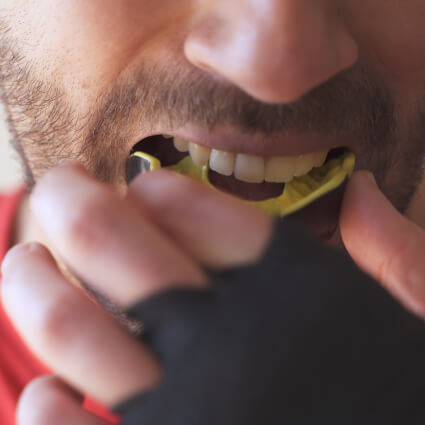
 Playing sport is part of everyday life for many Australians, from school footy and weekend netball to rugby, hockey, martial arts, skating, and mountain biking. With all that movement (and the occasional collision), dental injuries can happen quickly.
The good news is that many sports-related dental injuries are preventable. A properly fitted sports mouthguard is one of the easiest ways to protect teeth, gums, and jaws during physical activity.
Why Mouthguards Matter
A sudden knock to the face can lead to more than a chipped tooth. Sports injuries may cause fractures, knocked-out teeth, jaw injuries, and cuts to the lips, cheeks, and tongue.
A mouthguard works by absorbing and spreading the force of an impact. That extra layer can make a big difference, especially in contact and collision sports. Mouthguards are widely recommended for both children and adults who play sport where falls, contact, or fast-moving equipment are part of the game.
Who Should Wear A Sports Mouthguard?
Mouthguards aren’t just for professional athletes. They’re worth considering for anyone playing sport where there’s a realistic chance of a hit to the face.
This often includes:
- AFL, rugby league, rugby union, soccer, and hockey
- Basketball, netball, and martial arts
- Skateboarding, BMX, and mountain biking
Understanding The Different Types Of Mouthguards
There are a few common types of sports mouthguards, and they don’t all offer the same level of comfort or protection.
Stock mouthguards are the one-size-fits-all option. They’re usually the least expensive, but they can feel bulky and may not stay in place well, which often means people stop wearing them.
Boil-and-bite mouthguards are bought from pharmacies or sports stores and moulded at home using hot water. They can be better than stock guards, but the fit can be unpredictable. If it doesn’t mould properly, it may feel loose or uncomfortable.
Custom mouthguards are made by a dentist and fitted specifically to your teeth. They’re generally the most comfortable option, they stay in place better, and they’re designed to protect more effectively. Many people also find they can breathe and speak more easily compared to an ill-fitting guard.
Mouthguards For Children And Teens
Kids’ mouths change quickly as they grow, which means a mouthguard that fit well last season may not fit as well this season.
A professionally fitted mouthguard can be made with growth in mind, and it’s often more comfortable, which encourages regular wear. It’s also a good idea to have your child’s mouthguard checked at dental visits (and ideally each sporting season) to make sure it still fits properly.
Wearing A Mouthguard With Braces
If your child or teen has braces, a mouthguard becomes even more important. It can help protect teeth and orthodontic appliances, while also reducing the risk of soft tissue injuries.
Boil-and-bite mouthguards can be problematic over braces because the fit may be awkward or inconsistent. A dentist-made mouthguard can be designed to suit orthodontic needs and changing teeth.
How To Care For Your Mouthguard
A mouthguard works best when it’s clean, stored properly, and still fits well. Here are a few simple habits that help:
- Rinse it with cold water before and after use
- Clean gently with a soft toothbrush and mild soap
- Store it in a ventilated container
- Keep it away from heat (hot cars can warp it)
- Bring it to dental check-ups so we can check the fit
The Real Cost Of A Sports Dental Injury
Dental trauma can lead to unexpected appointments, ongoing repairs, and in some cases, more complex care later on. Compared to that stress and expense, a well-fitted mouthguard is a straightforward way to protect your smile.
Ready To Organise A Custom Sports Mouthguard?
If you or your child play sport regularly, a custom mouthguard can provide reliable protection and a more comfortable fit. Contact Bluewater Dental to book a mouthguard fitting and feel confident heading into the season.
CONTACT US »